
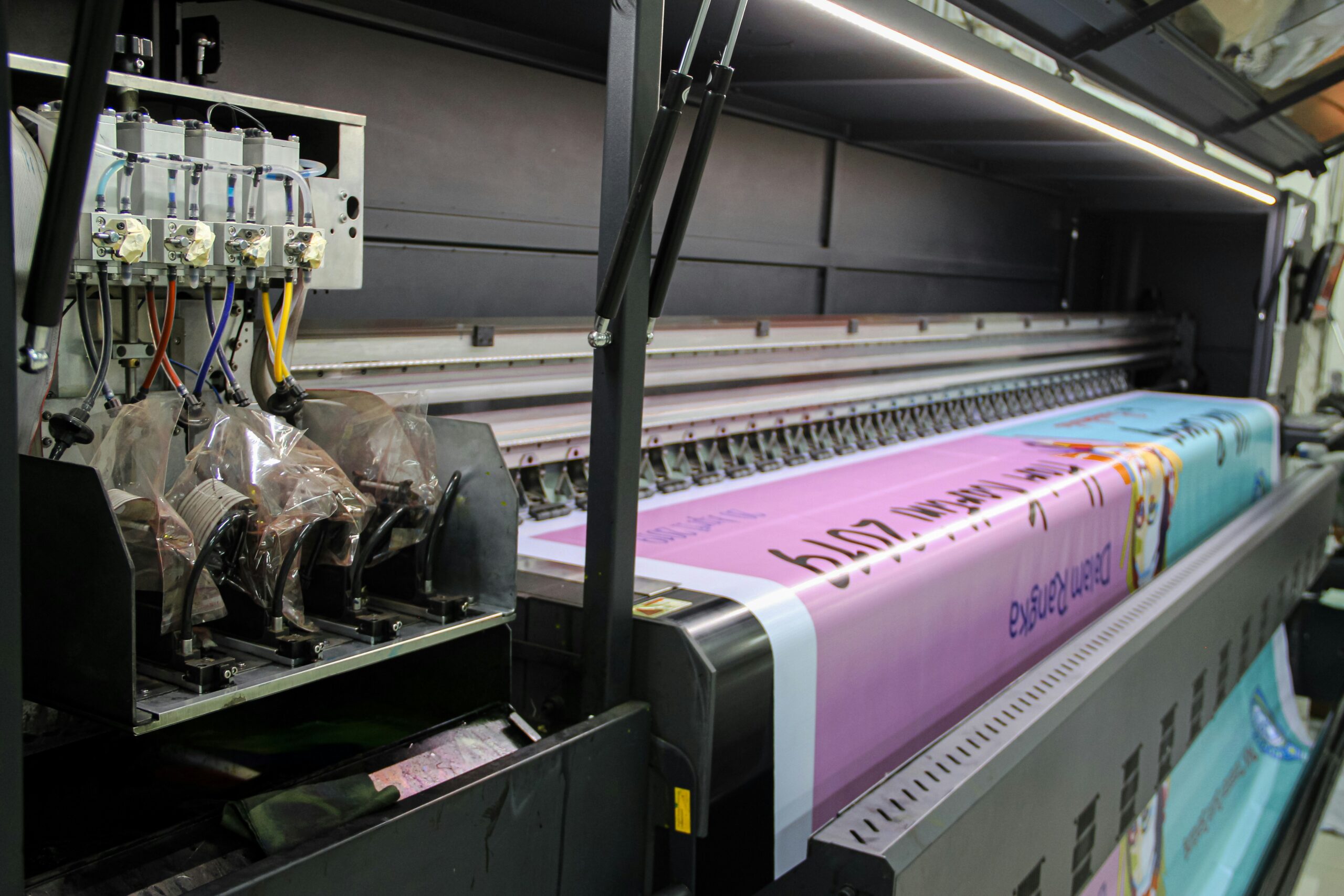
Start talking to manufacturers to understand which work best for you.
You’ve got your prototype – scraps of paper, cardboard tokens, rough printouts – and you can already picture the glossy, shrink-wrapped version sitting on a game store shelf. But how do you actually get it printed?
Manufacturing can feel like a black box the first time around, but once you understand the landscape, it’s surprisingly manageable. There are essentially three kinds of manufacturers to consider: Full-Service Overseas Manufacturers, US/UK/EU Short-Run Manufacturers, and Print-On-Demand Manufacturers.

Full-Service Overseas Manufacturers:
Location: Generally in China
Examples: Panda, Whatz Games, LongPack
Cost per unit: Lowest
Quality: Highest, best component selection
Minimum Order Quantity (MOQ): 1000+
If the goal is to produce a professional, retail-ready game at the lowest cost per unit, this is where most publishers turn. These factories operate at massive scale and have years of experience manufacturing games for major publishers, which makes them hard to beat for both price and quality.
Even with shipping costs and wildly fluctuating tariffs, their pricing usually remains far below domestic options with an an unmatched component library. The trade-off is commitment – most have minimum order quantities around 1,000–1,500 units, which can be a stretch for a newbie publisher on Kickstarter.
US/UK/EU Short-Run Manufacturers:
Location: US, UK, EU
Examples: Delano (US), Shuffled Ink (FL), Ivory Graphics (UK), Ludofact (Germany/Poland)
Cost per unit: Medium
Quality: High, ok component selection
MOQ: 100-1000
If you’re not ready to ship a thousand copies across the ocean, or simply want to work closer to home, regional manufacturers can be a great middle ground. These printers typically offer smaller minimum orders, faster turnaround, and the benefit of working in your own time zone.
The trade-off is cost. They rarely reach the economies of scale or component variety of their Chinese counterparts. But if your priority is speed, simpler logistics, or supporting local production, this path can make a lot of sense for smaller projects or limited print runs.
Print-On-Demand Manufacturers:
Location: Global
Examples: The Game Crafter (US), BoardGamesMaker (HK), MakePlayingCards (HK)
Cost per unit: Highest
Quality: Variable, mediocre component selection.
MOQ: 1
Finally, if you just need a handful of copies for reviewers, early playtesting, or marketing photos, print-on-demand is your friend. These services can produce one or a dozen copies at a time without the large set-up fees or MOQs of the other manufacturers.
The cost of this flexibility is… cost! While they generally have scaling prices that are cheaper with more units purchased, even the cheapest tiers are far more expensive than the other manufacturers. Additionally, they have limited customization and component options. But for early testing and feedback, POD is perfect. Many publishers, myself included, use POD printers to create small batches ahead of a full production run.
Choosing What’s Right For You
Every game and publisher is different so there’s no one right option here. The key is deciding what matters most to you – cost, speed, location, component variety, etc. – and pick the category that best meets your needs.
To organize my own thoughts when going through this, I created a spreadsheet where I compared the different aspects, costs, pros, and cons of each manufacturing type to make an informed decision. My example:

I also included some rows on shipping process, production time, communication turnaround, and a few other more general factors.
Since my game, Quickdraw, is relatively simple I decided the most important factor was cost and secondarily if they could make the custom wallet I wanted. That was helpful to minimize the amount of variables to consider and zero in on cost – likely the main factor for most publishers.
Figuring Out Manufacturing Costs
Figuring out costs are easy and difficult. The easy part, which might seem intimidating at first, is getting quotes. Manufacturers know that every interaction with a new customer starts with quoting their project. For this reason manufacturers make it very easy to get quotes either with online tools or via a quick email exchange. To do your comparison pick two manufacturers from each of the three categories to get quote from.
The difficult part is then understanding how your order quantity will affect your overall manufacturing cost when taking into account MOQs and scaling prices per unit. You’ll need an estimated order quantity, which can be tricky, but it’s ok to be rough here just to get some basic understanding. I looked at other campaigns and my marketing budget and estimated that selling 500 games would be a solid success. I then looked at the price of each quote for 500 units, or the MOQ if it had a higher requirement. This was what I found:

As you can see, it’s way cheaper to go with the Chinese Full-Service Manufacturers. In fact, it’s so much cheaper for my game that I can get the MOQ of 1000 copies from Whatz Games for way cheaper than I can get 500 from The Game Crafter, even considering shipping and tariffs.
Whatz Games had such a lower quote that I was initially a little wary. However after seeing what other games they produced, and getting some good feedback from another publisher I was talking to, I decided they were the best option. When emailing them they were also able to confirm the ability to manufacture my custom wallet, which really sealed the deal.
Then to cover reviews, marketing material, and blind playtests I used Make Playing Cards to order a dozen copies of just the cards, taking advantage of their decent prices for low order quantities.
Final Thoughts
Manufacturing feels intimidating until you realize that most manufactures want you to succeed and have teams that have worked with countless first-timers to help you through the process. So get out there, start getting quotes for your game and you’ll be that much closer to turning your stack of index cards into a beautiful finished game.
Do any of your experiences contradict what I’ve said here? Any other manufacturers that have different offerings than I’ve mentioned? Let me know so we can help everyone learn!